◆The GC Review
Value
What Drives a Coin's Value
Ask why one coin is worth a hundred times another and the honest answer is that several forces are acting at once. No single factor explains a price on its own. Rarity without demand is cheap. Demand without scarcity is cheap. High grade on a common coin is common. Value shows up where these things line up, and learning to see the overlap is most of the skill.
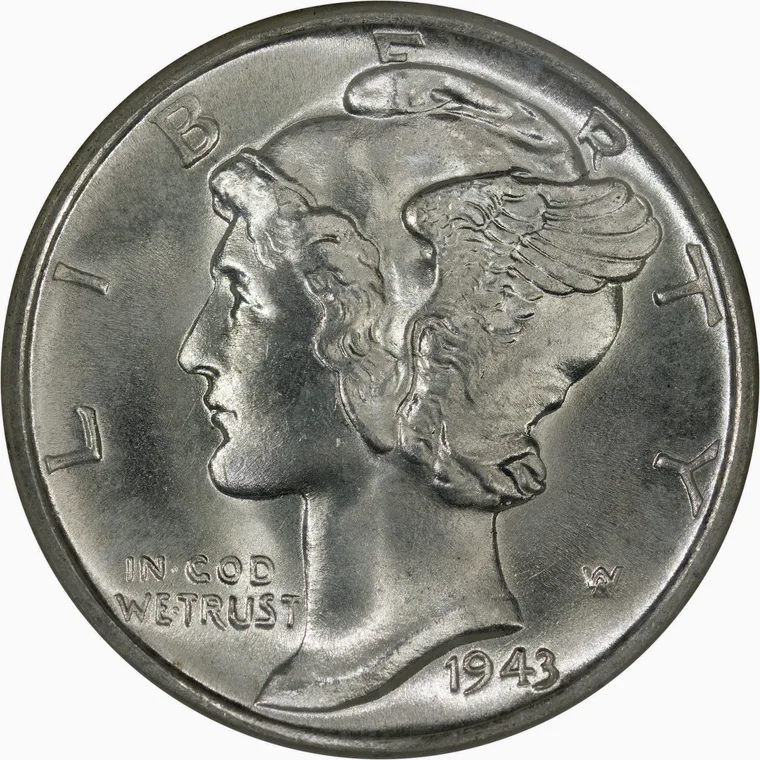
This guide walks through the four forces one at a time, then puts them back together, because the interaction is where the real prices come from. Along the way it points to where trustworthy numbers actually live, so you are checking values rather than guessing at them.
Rarity: how many were made, and how many are left
Rarity has two layers, and collectors care more about the second. The first is mintage, the number of coins the mint struck for a given date and facility. The second is survival, how many of those still exist in collectible condition after decades of spending, melting, and loss. A coin with a modest mintage can still be common if most examples were saved, and a coin with a large mintage can be genuinely scarce in high grade if almost all of them circulated hard.
This is why the phrase to watch is not simply how few were made but how few survive in the grade you want. Population reports from the grading services, which tally how many coins they have certified at each grade, give the best available read on that second layer. They are not a full census, but they are the closest thing the market has to one.
Condition: grade sets the multiplier
Once you know how scarce a date is, grade tells you where a specific coin sits within that scarcity. For many issues the price barely moves across low circulated grades and then climbs steeply through the mint-state range, because survivors thin out fast as you go up the ladder. A common date can be worth face value worn and a real premium in a top grade, entirely on condition.
That is the practical reason certification matters so much for value: an independently confirmed grade is what lets condition translate into a number a buyer will trust. The grade multiplier is real, but it only pays off when the grade is credible.
Demand: who is chasing it
A coin is only worth what someone will pay, and the size of the audience varies enormously by series. Popular series with millions of active collectors, such as Lincoln cents or Morgan dollars, have deep demand that keeps prices firm and liquid. A scarce coin in a series almost nobody collects can languish, because scarcity does not create buyers by itself.
Demand also shifts over time as tastes move, anniversaries arrive, and new collectors enter. That fluidity is part of why the market rewards attention. The coins that combine genuine scarcity with a large, steady collector base are the ones that hold value best.
Metal: the floor under precious coins
For coins struck in gold or silver, the metal sets a floor that the collector premium sits on top of. A common-date silver dollar or gold piece is worth at least what its bullion content brings at the day spot price, and its numismatic value is whatever the market pays above that. Base-metal coins have no such floor, which is why a worn copper cent can be worth only a fraction of a cent in trade.
The interaction is what matters. A scarce, high-grade gold coin in a popular series draws on all four forces at once, and that is the profile behind most of the coins that reach record rooms. The realized prices logged at the record-sales desk tend to belong to coins where every factor pulls in the same direction.
Where the numbers come from
Two sources anchor any honest valuation. For a baseline, the annual "A Guide Book of United States Coins", known to everyone as the Red Book, lists retail ranges by date and grade and is the standard starting reference. It is a guide, not a live quote, but it tells you which coins are ordinary and which deserve a closer look.
For what a coin has actually brought, realized auction prices are the real evidence. Prices genuinely paid at public sale, recorded and searchable, show the market as it is rather than as a catalog estimates it. When a value question matters, the honest method is to match your coin to comparable certified examples that have sold and read the pattern, rather than trusting a single headline figure. This reference names those methods on purpose and stops short of quoting specific values it cannot source. For the wider context of how coins fit the hobby, see the coins and currency hub.
Common questions
If a coin has a low mintage, is it automatically valuable?
Not by itself. Low mintage helps, but if most of those coins survived, or if few people collect the series, the price can stay modest. Value needs scarcity in the wanted grade and a real audience to chase it.
How much is a coin worth in melt versus collector value?
For gold and silver coins, melt is the bullion value of the metal at the current spot price and acts as a floor. Collector value is anything paid above that for date, grade, and rarity. Common issues trade near melt; scarce ones can trade far above it.
Where should I look up a value I can trust?
Start with the Red Book for a retail range, then look at realized prices for certified examples in the same grade to see what buyers actually paid. Matching sold comparables is more reliable than any single quoted number.
Sources
- A Guide Book of United States CoinsWikipedia