◆The GC Review
Errors and varieties
Mint Errors and Varieties
Two of the most misunderstood words in coin collecting are error and variety. People use them interchangeably, but they describe different things that happened at different stages of production, and the market treats them differently for good reason. Getting the distinction right is the first step to knowing whether an odd-looking coin is a genuine find or just damage.
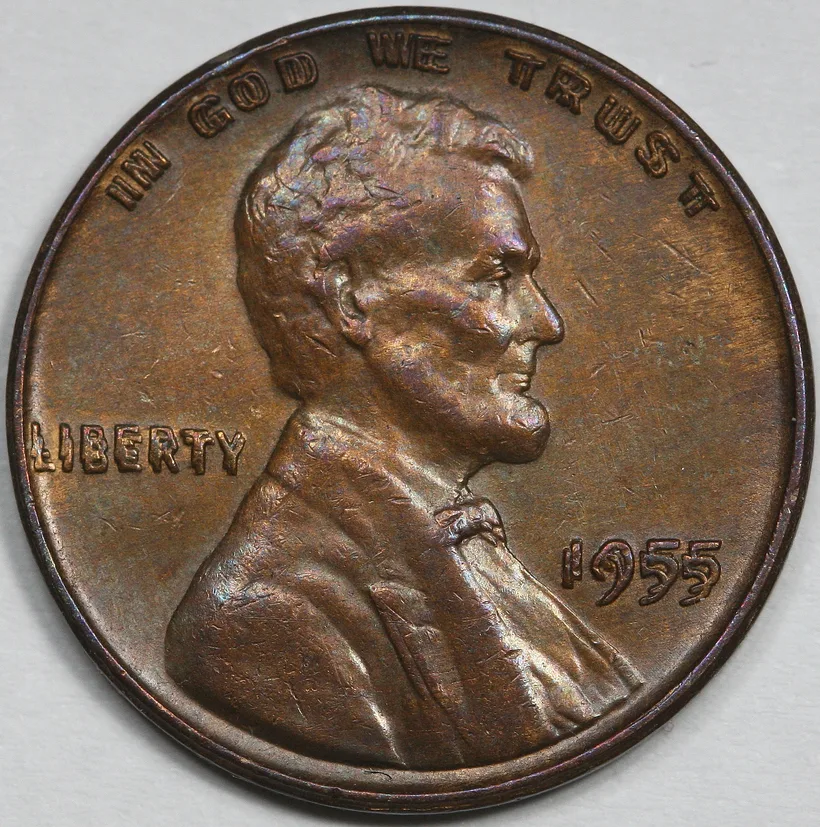
The short version: an error is a mistake in making one coin, while a variety is a difference built into the die that then repeats across many coins. Everything else follows from that.
What counts as an error
An error is a one-off production accident. Something went wrong as a specific coin was struck or as its blank was prepared, and the result is unique or nearly so. The blank, called a planchet, might have been the wrong size or metal, or clipped, or already flawed. The strike itself might have gone off center, been struck twice, or caught a stray object between die and blank. Each of these produces a coin that no die was designed to make.
Because errors are individual accidents, no two are quite alike, and their appeal is partly the novelty of a mistake escaping quality control. Collectors sort them into families, off-center strikes, double strikes, wrong-planchet errors, clips, and so on, and dedicated references catalog the types. The key mental test is whether the oddity happened to this one coin during production, rather than being repeated by a shared die.
What counts as a variety
A variety is a repeatable difference in the die that struck the coin, so every coin from that die shares it. Because the feature is in the die, it appears again and again until that die is retired, which means a variety can have a real population rather than being a single accident. Doubled dies, repunched mint marks, and distinctive design differences between die pairs are the common categories.
The most famous illustration is the 1955 doubled-die Lincoln cent, where the die itself carried a strong doubling of the date and lettering, so the doubling shows up clearly on every coin struck from it. That is why it is a variety and not an error: the flaw lived in the die and repeated, rather than happening once at the moment of striking. Specialists attribute varieties using standard numbering systems, and grading services will note recognized ones on the holder.
Why the distinction changes the value
The line between error and variety matters because it governs supply and how collectors pursue the coin. A dramatic error is often unique, so it is priced as a one-of-a-kind curiosity, and condition plus visual impact drive what it brings. A well-known variety has a knowable population, so it trades more like a scarce date: there is a market, a range, and comparable sales to reference.
It also matters for spotting fakes and mistakes. Genuine post-mint damage, a coin dinged or altered after it left the mint, is not an error at all and carries no premium, however strange it looks. Learning the difference protects you from paying error prices for ordinary damage, which is one of the most common beginner traps in this corner of the hobby.
The scale of the difference is easy to underestimate. Because an error is usually singular, its price depends on how visually arresting the mistake is and how well the coin survived, and small, subtle errors often bring little because they are neither rare enough nor dramatic enough to compete for attention. A recognized variety behaves the opposite way: with a known population and a settled catalog listing, it can be studied, compared, and priced against a run of past sales, so the market for it is steadier and better documented. In practice that means two coins with equally unusual features can occupy completely different price worlds depending on which side of the error-variety line they fall.
How collectors treat each
Error collectors tend to chase variety of type, assembling examples of each way a strike can go wrong, and they prize the bold and the visually striking. Variety collectors work more like date collectors, hunting a specific attributed die difference and caring about grade and pedigree within that known population. Both communities lean on certification, because an attributed holder settles the question of what exactly the coin is.
For anything you think might be an error or variety, the safe route is authentication by a service that recognizes and labels the type, then a value check against sold examples of the same attribution. The general framework for how scarcity and demand set price is covered back at the coins reference.
Common questions
Is my damaged coin an error worth money?
Usually not. Damage that happened after a coin left the mint, such as dents, scratches, or corrosion, is not a mint error and adds no premium. A true error occurs during production. When in doubt, have the coin examined before assuming it is valuable.
Why is the 1955 doubled-die cent a variety and not an error?
The doubling was in the die that struck the coins, so it repeats on every example that die produced. That repeatability is what makes it a variety. An error, by contrast, is a one-off accident that happens to a single coin as it is struck.
Do grading services identify varieties?
The major services will attribute and note recognized varieties on the holder label, using established numbering systems. That attribution is what lets a variety trade against comparable certified examples rather than being argued case by case.
Sources
- US error coinsWikipedia