◆The GC Review
Grading
How Coin Grading Works
Grading is the shorthand the coin market uses to describe how well a piece has survived. It compresses a lot of judgment, about wear, surface, strike, and eye appeal, into a single number, and that number does more to set price than almost anything else once the coin has been identified. Two examples of the same date and mint can differ in value by a wide margin purely on grade.
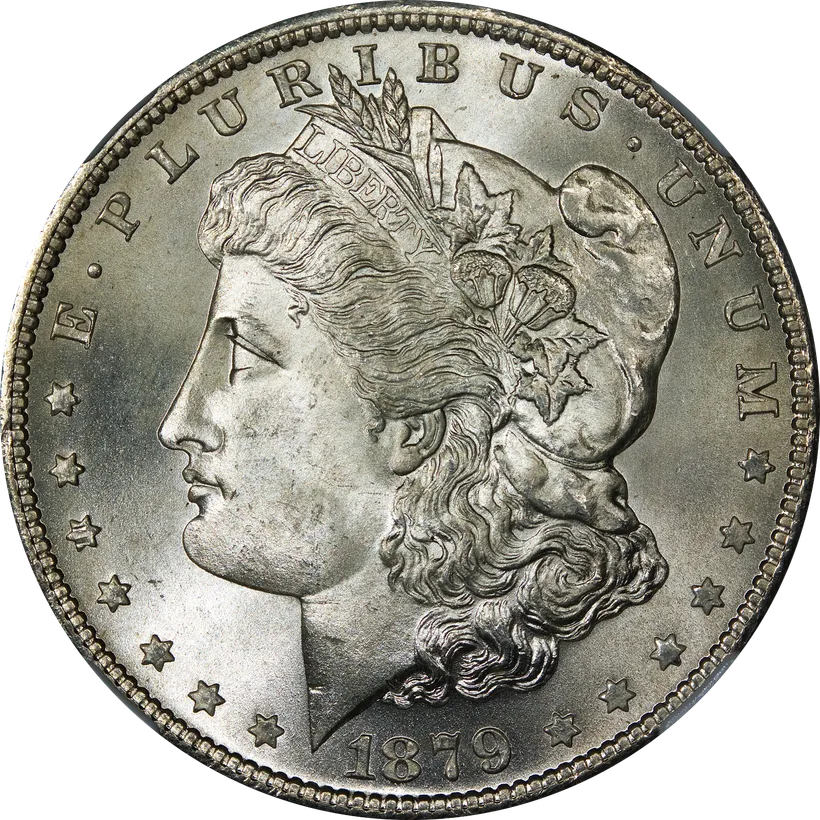
The system looks precise, and at the technical level it is, but it rests on trained human judgment applied against agreed standards. Understanding what the number means, and who is standing behind it, is the difference between reading an auction listing with confidence and taking it on faith.
A ladder from 1 to 70
Coins are graded on a numeric range that runs from 1 at the bottom to 70 at the top. The framework grew out of work by William Sheldon and was later broadened and adopted across the hobby, which is why you will hear the range called the Sheldon scale. A 1 is a coin worn nearly smooth, identifiable but little more. A 70 is flawless under magnification, with no contact marks visible at the standard level of inspection.
The ladder splits into two broad zones. Circulated grades, running up into the high fifties, describe coins that spent time in commerce and show wear on their high points. Mint state grades, from 60 to 70, describe coins that never circulated and are judged instead on the number and severity of tiny contact marks, the quality of the strike, and the way light plays across the surface. The jump from a well-worn circulated coin to a pristine mint-state one is not a smooth curve in price. Near the top, single points can carry large premiums because so few coins reach them.
What the letters mean
Grades usually pair a number with a short abbreviation that names the zone. Common circulated shorthand includes Good, Very Good, Fine, Very Fine, Extremely Fine, and About Uncirculated, each mapping to a band of numbers. Mint State, abbreviated MS, covers the uncirculated 60-to-70 range. Proof coins, struck with special dies and planchets for collectors rather than for change, get their own PR or PF prefix but sit on the same numeric ladder.
The American Numismatic Association publishes the standards that most graders work from, and its grading guide is the reference that turns these labels into consistent, teachable descriptions. When people disagree about a grade, they are usually arguing about how a specific coin measures against those published benchmarks, not about the scale itself.
What a grading service actually does
The two dominant firms, the Professional Coin Grading Service and the Numismatic Guaranty Company, perform three jobs in one pass. First they authenticate, confirming the coin is genuine and not altered, a counterfeit, or a doctored piece. Then they assign a grade against the standards. Finally they encapsulate the coin in a sealed, tamper-evident holder, often called a slab, with the grade and a unique certification number printed on the label.
That sealed holder is the product. It lets a coin change hands, sometimes sight unseen, because the buyer is trusting the label rather than re-judging the surfaces from scratch. The certification number ties back to the grader records, which lets a buyer verify that the holder and the coin belong together. This is why a raw coin and a certified coin of the same nominal grade do not trade at the same price: one carries an independent opinion and a guarantee, the other carries the seller word.
Why certification changes the trade
A slabbed coin is easier to sell, easier to price against past results, and easier to insure, because everyone in the chain is looking at the same stated grade. Auction houses lean on certification for exactly that reason, and the strongest prices at the top of the market are almost always realized on certified coins. It removes the largest single source of dispute from the deal.
None of this makes grading mechanical. Two services, or the same service on two different days, can land a point apart on a borderline coin, and collectors pay attention to which holder a coin sits in. But the framework has made the market legible in a way it simply was not before, and it is the reason a modern price guide can quote values grade by grade at all. For how that number feeds into price, see the rest of the coin reference index.
Common questions
Is a 70 the only grade worth owning?
Not at all. A 70 is the top of the mint-state range and can be very expensive when it exists, but plenty of desirable coins are prized in circulated grades, especially scarce dates where any honest example is hard to find. The right grade depends on the coin and your goal.
Can I grade my own coins reliably?
You can learn to estimate a grade using the ANA standards and a good loupe, and that is worth doing before you spend money. But for anything scarce or high in grade, an independent opinion from a major service carries weight with buyers that a self-assessment does not.
Why do the same coin and grade sometimes sell for different prices?
Eye appeal, toning, the specific holder, and current demand all move the number around within a grade. Two coins can share a grade and still differ in how attractive collectors find them, and that shows up in what people will pay.
Sources
- NGC Coin Grading ScaleNumismatic Guaranty Company