◆The GC Review
Key dates
US Key-Date Coins
Every popular US series has a handful of dates that stand between a collector and a finished set. Those are the key dates, and they behave differently from the ordinary issues around them. When a coin becomes the missing piece for thousands of set builders at once, its price stops tracking its own scarcity and starts tracking how badly people want to be done.
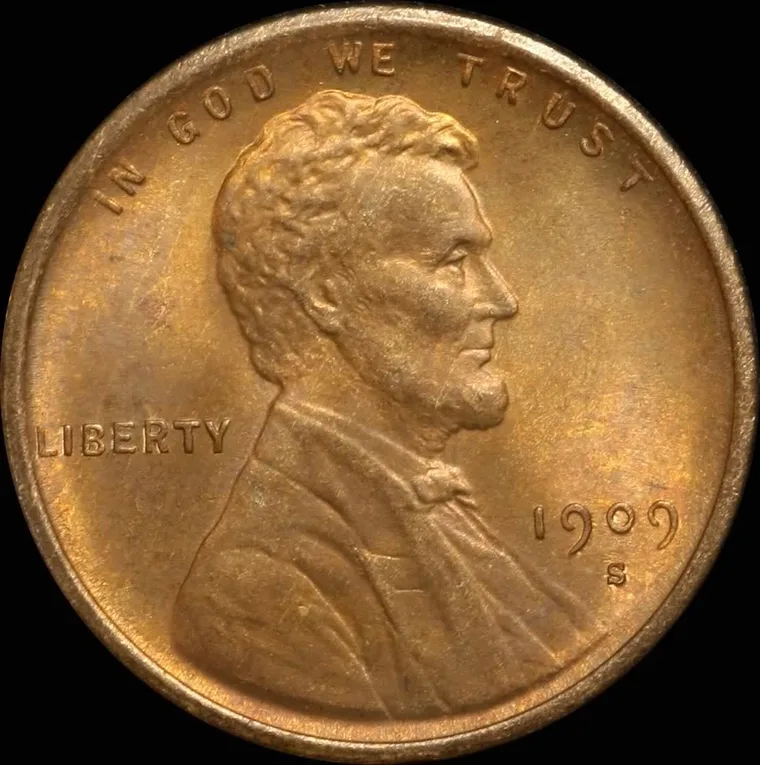
The idea is simple, but the terms get used loosely, so it helps to pin them down first and then look at how they actually play out in the series most people collect and try to complete.
Key date, semi-key, and common date
A key date is the scarcest and most expensive regular issue in a series, the one that anchors the whole set. A semi-key sits a rung below: noticeably harder to find than the common issues and priced above them, but not the outright bottleneck. Common dates are everything else, the issues struck and saved in enough quantity that any grade is easy to buy.
These are relative labels, defined inside a single series rather than across the whole hobby. A coin that would be a trivial common date in one series can be a genuine key in another. What makes a date key is not an absolute number but its standing among the coins a collector needs to complete that particular run.
Why set completion drives the premium
The classic way to collect a US series is by date and mint mark: one example of every year from every facility that struck it. That structure creates concentrated demand at the scarce end. Everyone building the set can find the common dates quickly and then stalls on the same few issues, so the buying pressure piles onto those coins specifically.
The effect compounds with grade. A collector assembling a matched, high-grade set needs the key date not just in any condition but in one that fits the rest of the run, and high-grade survivors of a scarce issue are scarcer still. That is where the steepest premiums appear, and why the same key date can be affordable worn and dramatic in mint state.
It is worth seeing this as a supply-and-demand story specific to the way people collect. The key date is not always the lowest-mintage coin in a series on paper. Sometimes an issue with a larger original mintage became the bottleneck because it circulated hard and few clean examples were saved, while a genuinely low-mintage coin stayed common because collectors set it aside from the start. The market rewards the coin that is actually difficult to buy today, not the one that history books call scarcest, and those two are not always the same coin.
Familiar examples
A few keys are famous enough to name as illustration. In the Lincoln cent series, the 1909-S VDB is the coin every set builder eventually confronts, scarce because of a low first-year mintage at San Francisco before the designer initials were removed. In the Mercury dime series, the 1916-D fills the same role, struck in small numbers at Denver in the first year of the design. Among Morgan dollars, the 1893-S is the classic key, the date that defines a complete set.
These are offered here only as recognizable stand-ins for the concept, not as coins with a single fixed value. Each trades across a wide range depending on grade and eye appeal, and each is heavily counterfeited precisely because it is valuable, which is one more reason certification matters for the keys more than for anything else.
Checking a value instead of guessing
Because keys attract fakes and altered coins, the responsible path is to confirm authenticity first and value second. An altered common date wearing a fake mint mark is a real hazard with the most famous keys, so an independent opinion from a major grading service is worth the cost on any coin at this level.
For the value itself, start with the Red Book to see the retail range across grades, then look at realized prices for certified examples that recently sold in the grade you are considering. That combination, a standard reference for the range and sold comparables for the reality, keeps you honest and out of the trap of anchoring on a single dramatic headline. The broader logic of scarcity and demand behind all of this lives at the coin reference hub.
Common questions
What is the difference between a key date and a rare coin?
A key date is the scarcest regular issue within a specific series and matters because set builders need it. A rare coin is any coin that is hard to find. Every key date is scarce for its series, but rarity is a general term and key date is a set-completion role.
Are key dates a good place to start collecting?
Many collectors build the common dates first and save the key for last, both to spread the cost and to learn the series before spending the most on its hardest coin. Buying the key early is fine too, as long as it is authenticated given how often these dates are faked.
How do I avoid a counterfeit key date?
Buy examples already certified by a major service, or have a raw coin authenticated before you commit. The most famous keys, such as first-year low-mintage issues, are exactly the coins that altered mint marks and outright fakes target.